
KINSHIP CARE
Kinship Care is when a child is cared for by extended family or friends when it is not possible to remain with their biological parents.
Kinship Care arrangements give a child some sense of stability and familiarity with someone they already know and trust caring for them. If you are in a position to help a friend or family member in need, you can become a Kinship Carer in much the same way others become Foster Carers.
If you are about to become a Kinship Carer, Cafs can help you by providing ongoing support to you and the child you are caring for.
Kinship Care creates a sense of belonging, helps children stay connected to their family and community and can be a formal or informal arrangement.
If you are interested in becoming an accredited Kinship Carer, Cafs can put you in touch with agencies who will take you through the application and accreditation process.
WHAT TO EXPECT AS A KINSHIP CARER
Kinship Care brings many challenges and rewards. Often, the child you are caring for has experienced trauma and may find it difficult to transition to a new care environment.
It helps to remember that, as a Kinship Carer, you are making a lasting impact on a child by providing them with a warm and loving home.

“It was very hard to start with. The girls were standoffish, they would pull away from me but then get upset if they didn’t know where I was. But I think once the kids know you love them and that you’re going to be there for them, then they start to feel safe and secure.” – Gary, Kinship Carer.
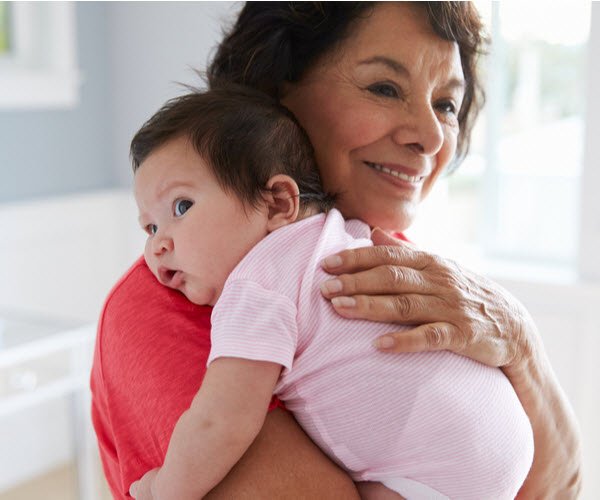
At Cafs, we understand it can be challenging to navigate your new role as a Kinship Carer. This is often the case for grandparents who find themselves once again caring for a young child, but know that you do not have to face the challenges alone. Cafs is here to support you every step of the way with regular newsletters, social networking and in-person catch ups with other carers.
Our dedicated practitioners are here to help and support you when you become a Kinship Carer. Perhaps you need some trusted advice on how to navigate a behavioural issue, or maybe you’d like to connect with other carers in the community to share and talk.
KINSHIP CARING WITH CAFS
- Cafs cares for you and your family.
- When you become a Cafs Kinship Carer you can expect:
- Ongoing support from a dedicated team of experienced professionals
- Help and support from a local people who truly understand the community in which you live and work.
- Regular opportunities for you to meet with and talk to other carers, including in-person support group meetings, e-newsletters and free events for the whole family.
- We are part of the local community and we understand the unique issues and situations you may experience as a carer.